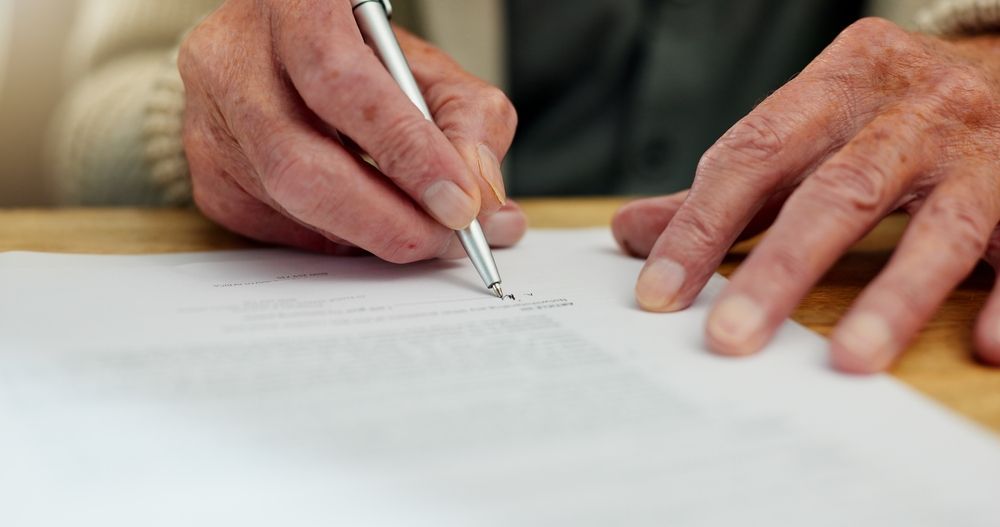
Settle Assets Without the Overwhelm
Book Transferring Property After Death Services in Minneapolis
When you lose a loved one, the last thing you need is confusion about how to handle their property and accounts. In Minneapolis, families often face unfamiliar county procedures, unclear beneficiary designations, and documents scattered across filing cabinets and safe deposit boxes. You deserve clear answers and step-by-step support that removes guesswork during an already difficult time.
Everhart Law Office LTD. helps you determine whether probate is required or if simplified procedures can move the process forward more quickly. The firm explains Minnesota requirements for real estate, financial accounts, vehicles, and personal belongings, then organizes the records you need for smoother administration. Whether assets pass through a will, joint ownership, or beneficiary forms, you receive guidance tailored to your family's unique situation in Minneapolis and surrounding communities.
Schedule a consultation for property transfer after death in Minneapolis to understand your obligations and avoid costly missteps.
Contact Us
We will get back to you as soon as possible.
Please try again later.
How Does Transferring Property After Death Work in Blaine?
Minnesota law determines how assets pass based on estate size, whether a will exists, and how property is titled. The firm walks you through each requirement step by step: identifying all assets, reviewing titles and beneficiary forms, determining if formal or informal probate is needed, and preparing filings for local courts and county systems in Blaine and nearby communities.
Families working with Everhart Law Office LTD. can expect hands-on support organizing records—deeds, bank statements, vehicle titles, and digital accounts—so nothing is overlooked and administration proceeds smoothly. We help clients organize records for smoother administration and provide clear explanations of timelines, so you understand what happens next and when.
Whether you're dealing with a modest estate or complex property holdings spread across the Twin Cities metro, our focus remains the same: reduce uncertainty, preserve family harmony, and honor your loved one's wishes without unnecessary court battles or delays.
Reach out now to begin the conversation about transferring property after death in Blaine.
Details That Matter Most
Families appreciate knowing exactly what paperwork to gather, which deadlines apply, and how long the process typically takes in their county. These answers reflect real scenarios handled for Minneapolis residents navigating asset transfers.
Families in Minneapolis benefit from acting promptly after a death, especially when real estate or financial accounts remain in the deceased's name alone. Early consultation helps you avoid missed deadlines, disputes among heirs, and confusion about legal responsibilities. Contact us today to map out the most efficient path for transferring your loved one's assets.